

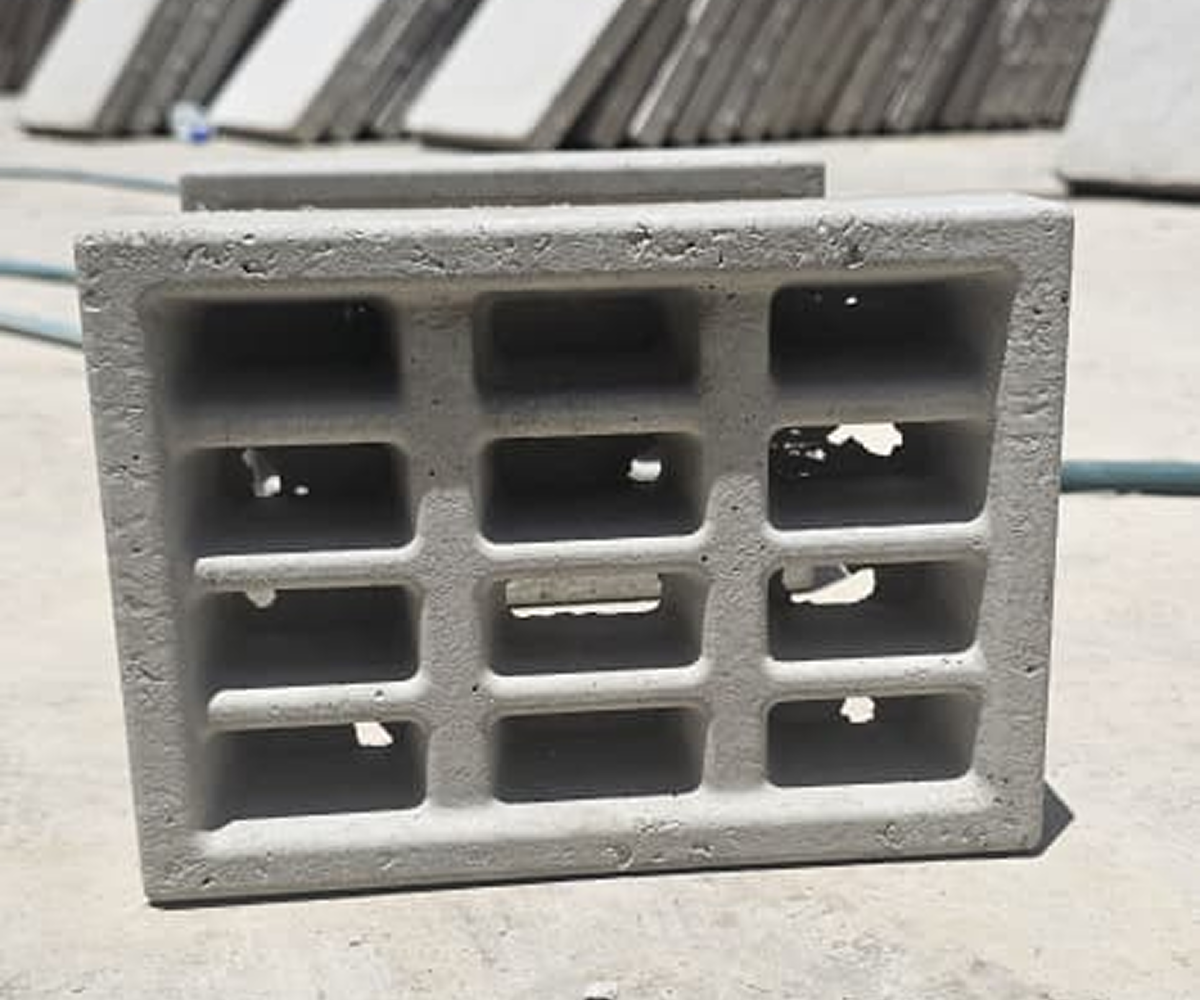
Precast Concrete Air Vents for Effective Ventilation
Air vents are precast concrete ventilation blocks designed to allow airflow while maintaining structural integrity. They serve as permanent ventilation solutions in walls and structures where air movement is essential but security and strength cannot be compromised.
The blocks feature precision-formed openings that create a path for air to pass through the wall. When installed at strategic points, they establish natural ventilation pathways that allow stale, moist air to escape and fresh air to enter.
At Majorcon Precast, our air vents are engineered to improve air circulation and reduce moisture buildup in buildings, boundary walls, and industrial structures. Build with confidence. Build with Majorcon Precast.
Primary Uses
- Providing airflow to underfloor spaces, crawl spaces, and roof voids.
- Allowing wind passage through solid walls to reduce wind load and pressure.
- Ventilating warehouses, factories, and storage facilities.
- Providing drainage and pressure relief behind walls.
- Ventilating animal housing and crop storage areas.
- Ventilating electrical and utility enclosures.
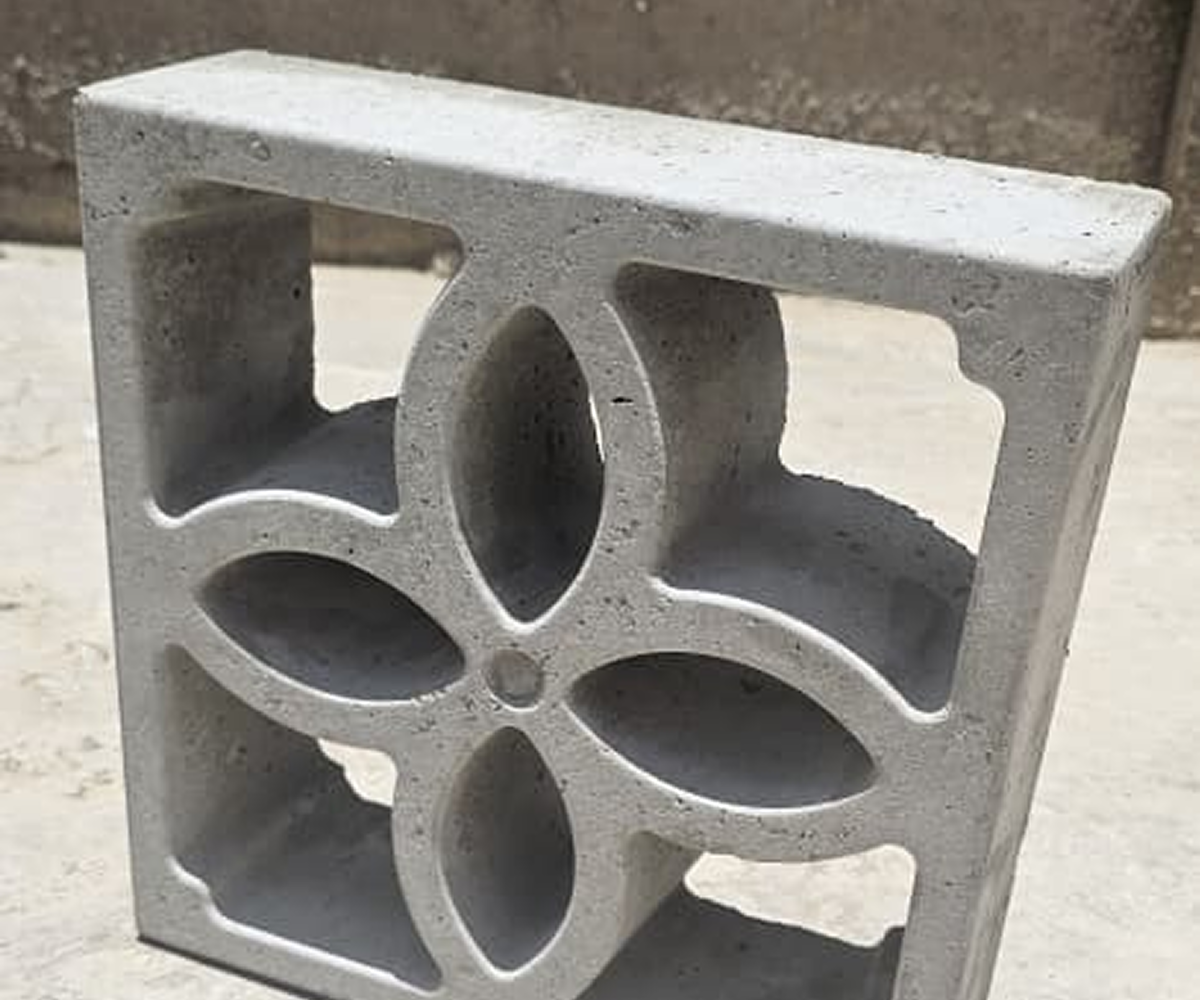
Why Choose Our Air Vents
- Strategically designed openings allow continuous air movement, preventing stale air and moisture accumulation.
- Constant ventilation reduces condensation, dampness, and the risk of mold growth in enclosed spaces.
- Despite openings, these blocks maintain the strength required for use in load-bearing walls and structures.
- Opening sizes are designed to allow airflow while preventing entry of rodents, birds, and larger pests.
- Suitable for various settings from residential boundary walls to industrial ventilation requirements.
Frequently Asked Questions
Proper ventilation is essential for building health. Here are answers to the questions we receive from architects, builders, and facility managers.
Air vents serve several critical functions:
| Function | Benefit |
|---|---|
| Moisture control | Prevents condensation, damp, and mold growth |
| Air quality | Removes stale air and introduces fresh air |
| Temperature regulation | Helps moderate temperatures in enclosed spaces |
| Radon gas mitigation | Allows harmful gases to disperse |
| Pressure equalization | Reduces wind load on boundary walls |
Without adequate ventilation, buildings suffer from dampness, decay, and poor indoor air quality.
Typical ventilation locations:
| Location | Purpose |
|---|---|
| Sub-floor ventilation | Prevent rising damp, allow ground moisture to escape |
| Roof spaces/attics | Prevent condensation in roof structure |
| Boundary walls | Reduce wind load and pressure differential |
| Retaining walls | Provide drainage and pressure relief |
| Industrial buildings | Remove heat, fumes, and maintain air quality |
| Cavity walls | Allow cavity ventilation and drying |
Building regulations typically specify minimum ventilation requirements for different spaces.
Opening size is critical for pest control:
| Pest | Maximum Allowable Opening |
|---|---|
| Rats | 15mm |
| Mice | 8mm |
| Birds | 20mm (but smaller recommended) |
| Insects | 2-3mm (requires mesh) |
Our standard air vents feature openings of 10mm-15mm, which:
Allow adequate airflow
Prevent entry of rats and mice
Deter birds from entering
Can be combined with mesh for insect prevention
For insect-proof requirements, we recommend fitting stainless steel mesh behind the vents.
Ventilation requirements depend on space volume:
| Application | Typical Requirement |
|---|---|
| Sub-floor ventilation | One vent per 1.5m – 2m of wall length |
| Roof spaces | 1/300th to 1/500th of ceiling area |
| Boundary walls | Every 2m – 3m depending on wall height |
| Industrial buildings | Calculated based on air changes per hour |
Building regulations: Always check local building codes which specify minimum ventilation requirements for different spaces.
Yes, our air vents are designed for structural use:
| Wall Type | Suitability |
|---|---|
| Non-load bearing | ✓ Fully suitable |
| Load-bearing (light) | ✓ Suitable with correct specification |
| Load-bearing (heavy) | ⚠ May require structural assessment |
| Below ground | ⚠ Specialist design required |
For load-bearing applications, ensure:
Vents are positioned correctly (not under concentrated loads)
Wall above is properly supported
Structural engineer approval for critical applications