Light Duty Kerbs for Residential & Low-Traffic Areas
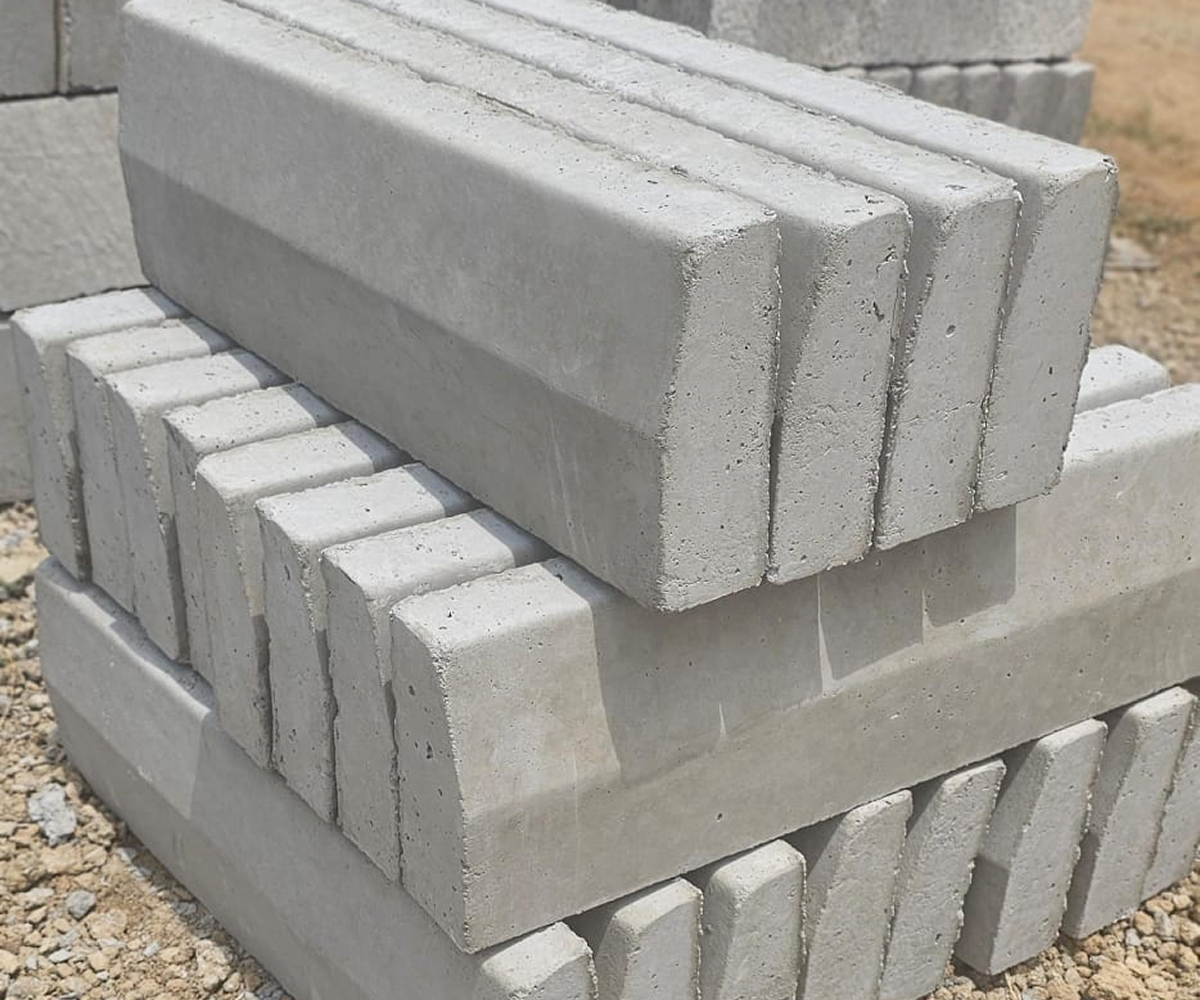
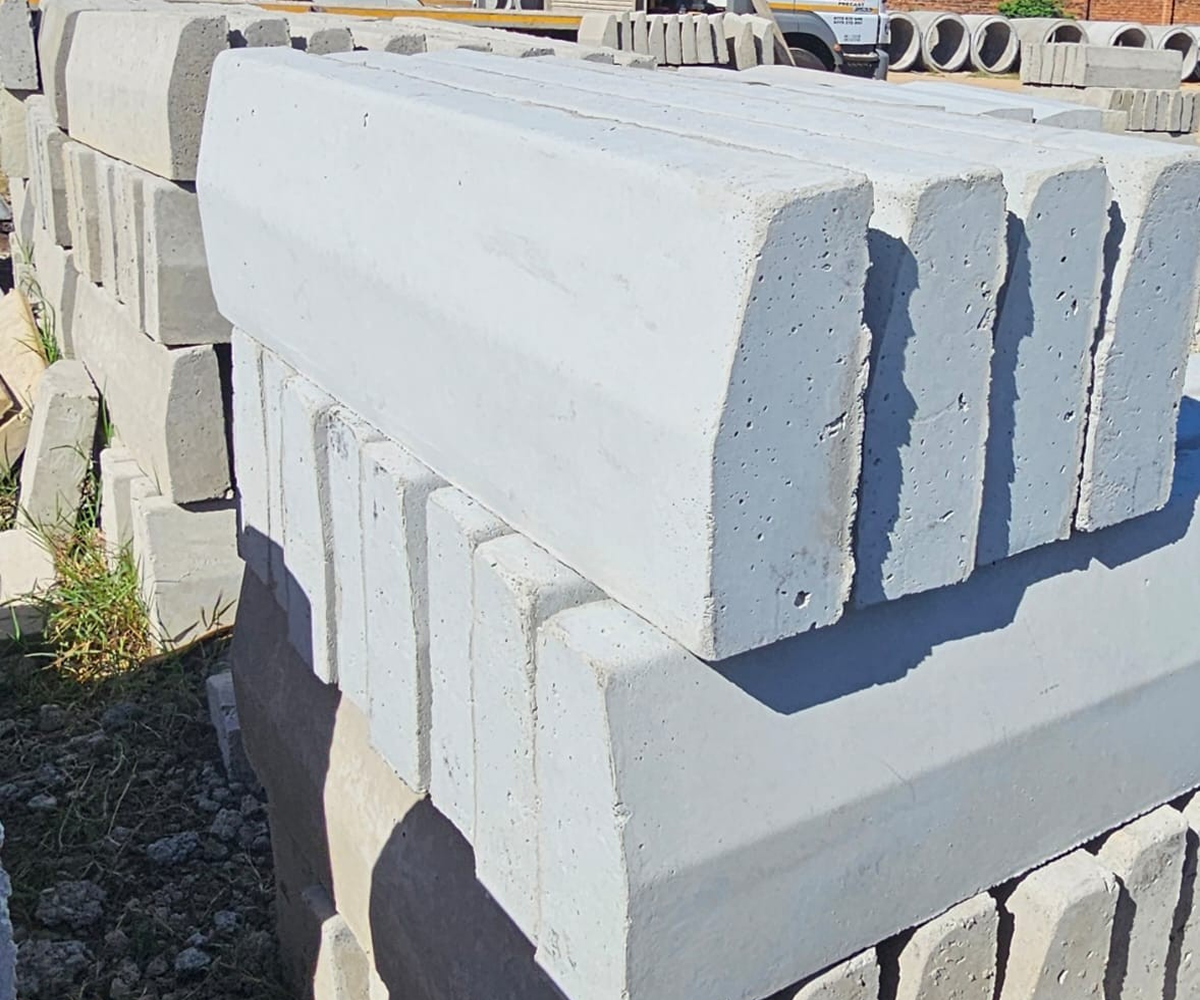
Light duty kerbs are precast concrete kerbs designed specifically for areas with minimal traffic load and light duty vehicle movement. They provide essential edge restraint and boundary definition without the higher specifications required for heavy traffic highways.
At Majorcon Precast, our light duty kerbs are engineered for durability and precision, providing the perfect solution for residential and low-traffic applications. Build with confidence. Build with Majorcon Precast.
Primary Uses
- Defining the edge of quiet residential streets and access roads.
- Creating boundaries in car parks for light vehicles.
- Edging residential driveways to prevent surface spread and improve appearance.
- Creating clean lines between lawns, flower beds, and pathways.
- Defining roads and walkways in residential housing estates.
Light Duty Kerb
Specification Sheet
Specifications
| Property | Specification |
|---|---|
| Material | Reinforced precast concrete, grade C30/37 |
| Concrete Strength | ≥ 30 MPa at 28 days |
| Reinforcement | High‑tensile steel bars (single 6 mm bar) |
| Standards | BS EN 1340:2003, SANS 1058 |
| Profile | Tapered batter face: top 80 mm, bottom 100 mm |
| Height | 300 mm |
Product Variants
| Length (mm) | Mass (kg) |
|---|---|
| 1000 | 55 |
| 500 | 28 |
| 300 | 17 |
Ordering Notes
- No customizations: All kerbs are supplied as standard sizes and finishes only.
- Finish: Natural grey concrete.
- Reinforcement: As per standard specifications.
- Testing: Compressive strength and dimensional reports available on request.
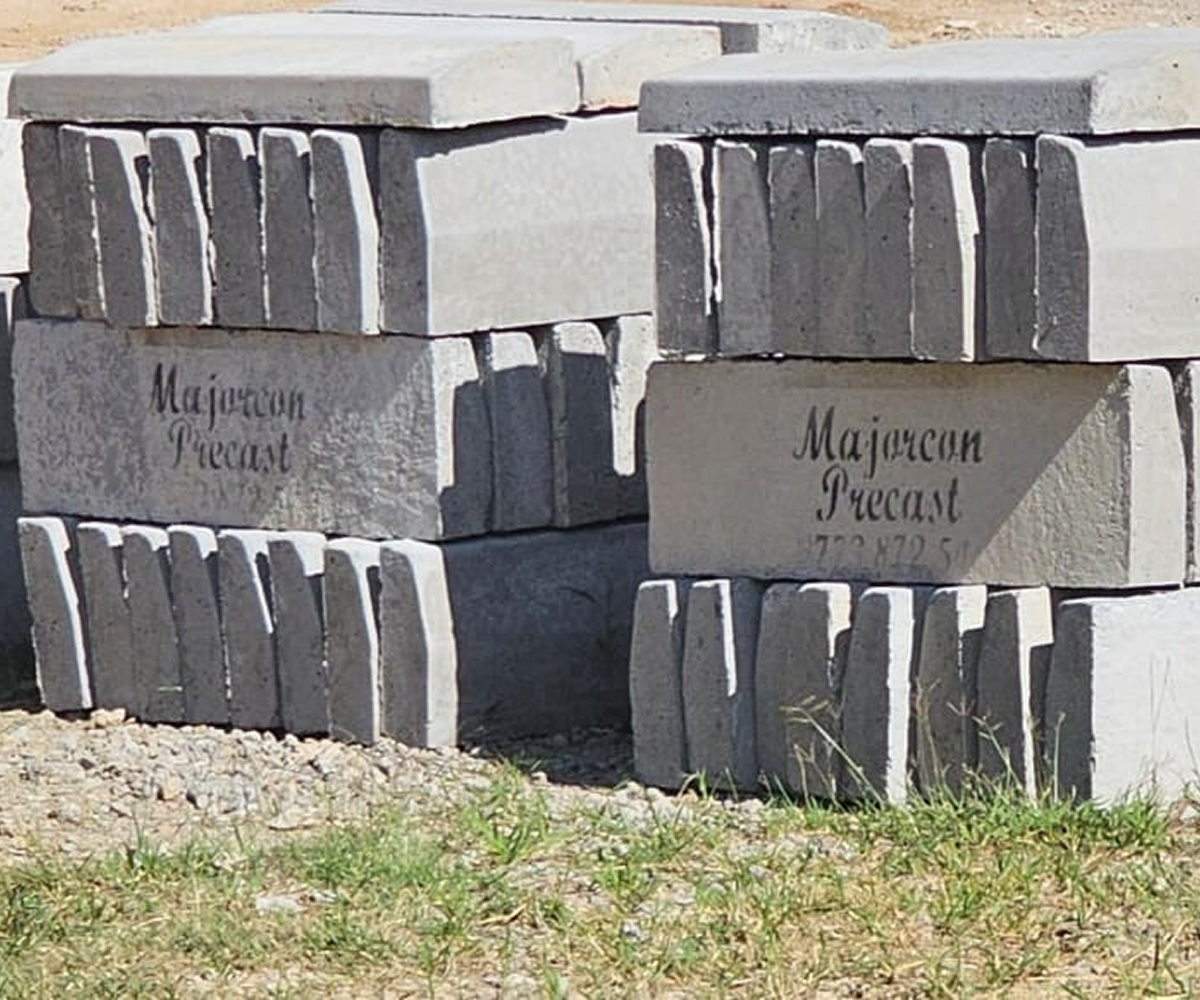
Why Choose Our Light Duty Kerbs
- Perfectly suited for residential roads, parking bays, and driveways where heavy vehicle loads are not expected.
- Precision-cast with smooth edges to enhance the appearance of homes, estates, and landscaped areas.
- Designed to provide the perfect balance of performance and value for residential and light commercial projects.
- Lighter weight than heavy-duty alternatives, making handling and installation faster and more efficient.
- Creates clear separation between driveways, lawns, gardens, and paved areas for a polished look.
Frequently Asked Questions
Light duty kerbs are a popular choice for residential and low-traffic projects. Here are answers to the questions we most often receive from homeowners, developers, and contractors.
The main differences are load rating and dimensions, Choose light duty kerbs for residential estates, driveways, and garden projects where heavy trucks and buses are not expected.
| Feature | Light Duty Kerbs | Municipal Kerbs |
|---|---|---|
| Traffic Rating | Light vehicles only | Moderate to heavy traffic |
| Typical Use | Residential, gardens | Urban roads, highways |
| Concrete Strength | 30MPa | 40MPa+ |
| Cross-section | Smaller profile | Larger, heavier profile |
| Cost | More economical | Higher specification |
It depends on the vehicle types using the car park. For:
Standard car parks with only cars and small vans: Light duty kerbs are generally suitable.
Car parks used by delivery trucks, buses, or heavy vehicles: We recommend upgrading to municipal or heavy duty kerbs.
Our Sales Team can advise based on your expected traffic mix.
Yes. For gentle curves, standard straight kerbs can be installed with slight angular adjustments. For tighter curves and circular driveways, we recommend ordering radius kerbs specifically manufactured to your curve radius for a professional, seamless finish.
For garden edging and landscaping, installation is straightforward:
Dig a trench to the required depth (typically 100-150mm)
Add a compacted sand or lean concrete base
Position kerbs to your desired line and level
Backfill with soil or gravel to secure
Tamp down surrounding earth
For driveways where vehicles will mount the kerb occasionally, a concrete haunching behind the kerb is recommended for additional support.
Yes. To create professional finishes at driveways entrances, pathway junctions, and kerb ends, we supply:
Radius kerbs for curved corners
Drop kerbs for vehicle access points
Stop-end units to terminate kerb runs neatly
Discuss your project layout with our Sales Team, and we’ll ensure you have all the necessary components.
We welcome orders of all sizes. Whether you need just 10 kerbs for a residential driveway or 1,000 kerbs for a housing estate development, we can accommodate your requirements. Small orders can often be supplied from stock for immediate pickup or delivery.
While the natural concrete finish is most common, light duty kerbs can be painted with suitable exterior masonry paint if desired. For a more integrated look, some homeowners choose to render or tile the visible face of the kerb to match paving or house finishes. Allow the concrete to cure fully (at least 28 days) before applying any coatings.
With proper installation, light duty kerbs typically last 30-50 years or more in residential applications. Concrete is naturally durable and resistant to weather, UV exposure, and normal wear from light vehicles. Regular cleaning and occasional re-pointing of joints will extend their service life even further.