Breeze Blocks – Strong, Insulating & Cost-Effective Wall Blocks
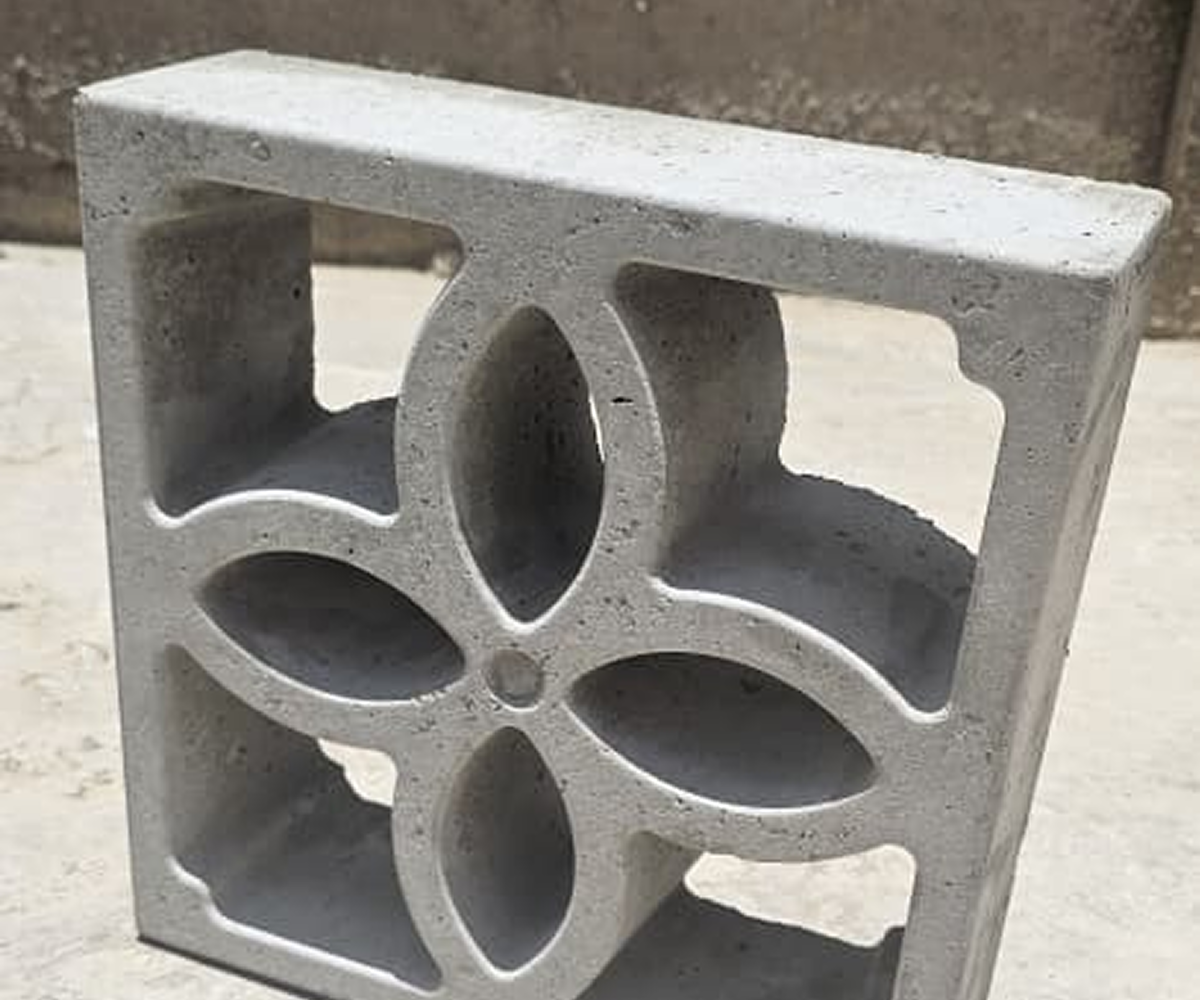
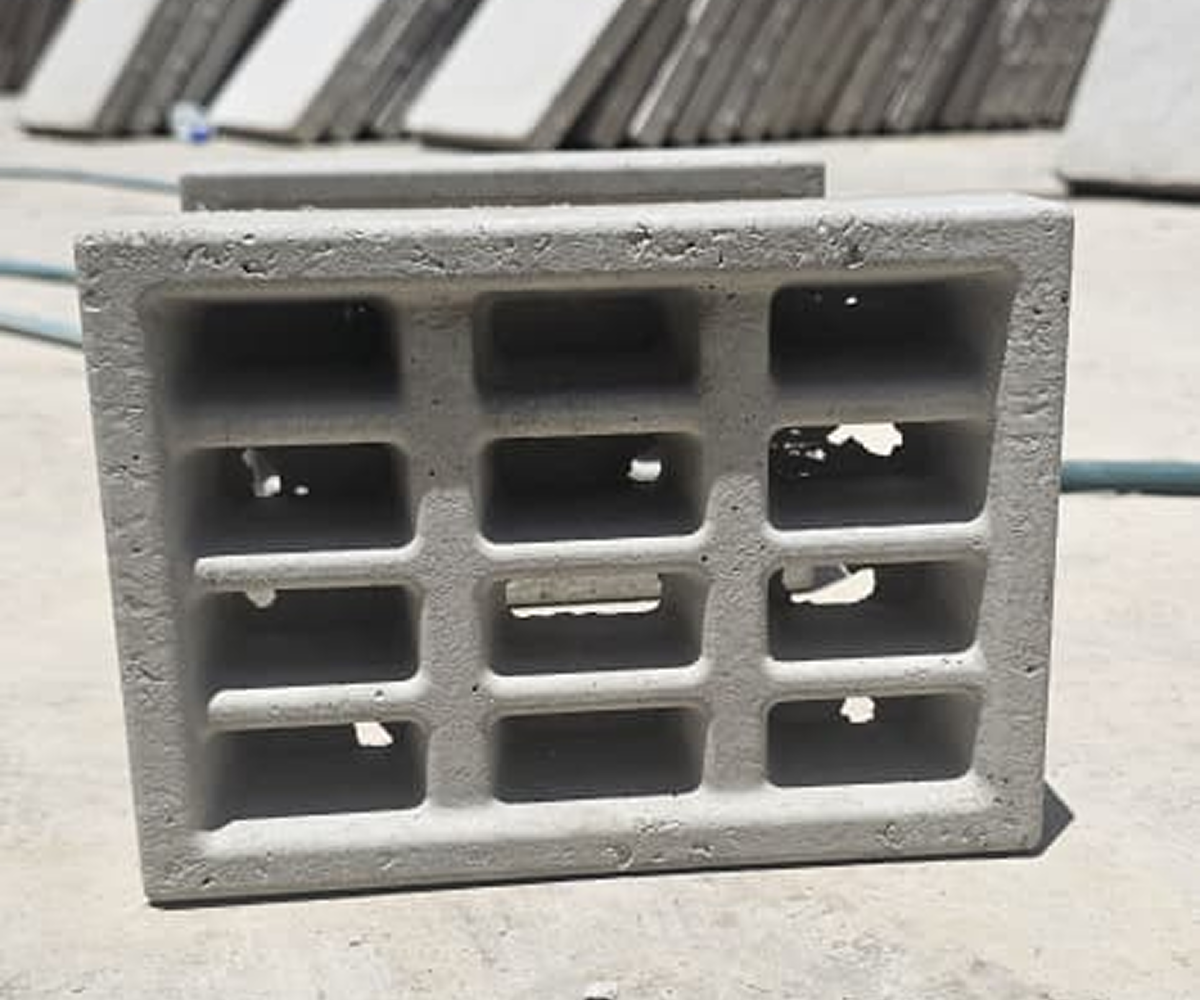
Breeze blocks are hollow precast concrete blocks used in construction for walls and partitions. The term “breeze” historically refers to the fine cinders (breeze) once used in lightweight block manufacturing. Today, they are manufactured from concrete with precision-formed hollow cores.
At Majorcon Precast, our breeze blocks offer the perfect balance of strength, insulation, and cost-effectiveness for walls and partitions. Build with confidence. Build with Majorcon Precast.
Primary Uses
- Internal partitions, external cavity walls, garden walls.
- Office partitions, retail unit divisions, industrial screens.
- Perimeter walls, security walls, and property divisions.
- Adding rooms, conservatory bases, and building extensions.
- Wall construction for attached and detached garages.
- Animal housing, storage, and workshop walls.
Why Choose Our Breeze Blocks
- Engineered to provide reliable load-bearing capacity for walls and partitions in various construction types.
- Hollow core design creates insulating air pockets, helping to regulate indoor temperatures and reduce energy costs.
- Larger format than bricks means faster construction, reduced labor costs, and less mortar required.
- Hollow design makes blocks easier to handle and transport than solid concrete alternatives.
- Suitable for load-bearing and non-load-bearing walls across residential, commercial, and boundary applications.
Frequently Asked Questions
Breeze blocks are a versatile construction material. Here are answers to the questions we receive from builders, architects, and homeowners.
| Feature | Breeze Blocks (Hollow) | Solid Concrete Blocks |
|---|---|---|
| Weight | Lighter (hollow cores) | Heavier (solid throughout) |
| Insulation | Better (air pockets) | Poor (thermal bridging) |
| Strength | Good for most applications | Excellent for heavy loads |
| Handling | Easier | More difficult |
| Services installation | Cores can be used | Requires chasing |
| Cost | More economical | Higher cost |
Choose breeze blocks for general wall construction where extreme load-bearing is not required.
Block strength is measured in N/mm²:
| Strength | Typical Use |
|---|---|
| 3.6N/mm² | Non-load-bearing partitions only |
| 7N/mm² | General load-bearing walls, houses up to 2 storeys |
| 10N/mm² | Higher load requirements, commercial |
| 15N/mm²+ | Heavy loads, foundations (usually solid blocks) |
For most residential construction, 7N/mm² blocks are suitable for load-bearing walls. Our standard breeze blocks meet this requirement.
Yes, with proper construction:
| Wall Type | Suitability |
|---|---|
| Solid external wall | Requires rendering or cladding for weather protection |
| Cavity wall inner leaf | ✓ Ideal |
| Cavity wall outer leaf | Requires weather-resistant finish |
| Rendered external wall | ✓ Suitable with correct specification |
For external applications, breeze blocks must be protected from direct weather exposure through rendering, cladding, or cavity construction.
| Factor | Breeze Blocks | Bricks |
|---|---|---|
| Size | Larger (faster construction) | Smaller (more detailed) |
| Labor cost | Lower (fewer blocks, less mortar) | Higher (more units) |
| Material cost | Economical per m² | Higher per m² |
| Appearance | Requires finishing | Can be left exposed |
| Strength | Good | Excellent |
| Insulation | Good (hollow cores) | Poor (solid) |
Many projects combine both: blocks for main wall construction, bricks for external facing.
Not typically recommended:
| Foundation Type | Suitability |
|---|---|
| Strip foundations | Use solid concrete blocks |
| Below DPC | Use engineering bricks or solid blocks |
| Trench fill | Concrete, not blocks |
| Ground beams | Concrete, not blocks |
Breeze blocks are designed for above-ground wall construction. Below-ground or foundation applications require solid concrete blocks or engineering bricks.