Porous Pipes for Effective Subsoil Drainage
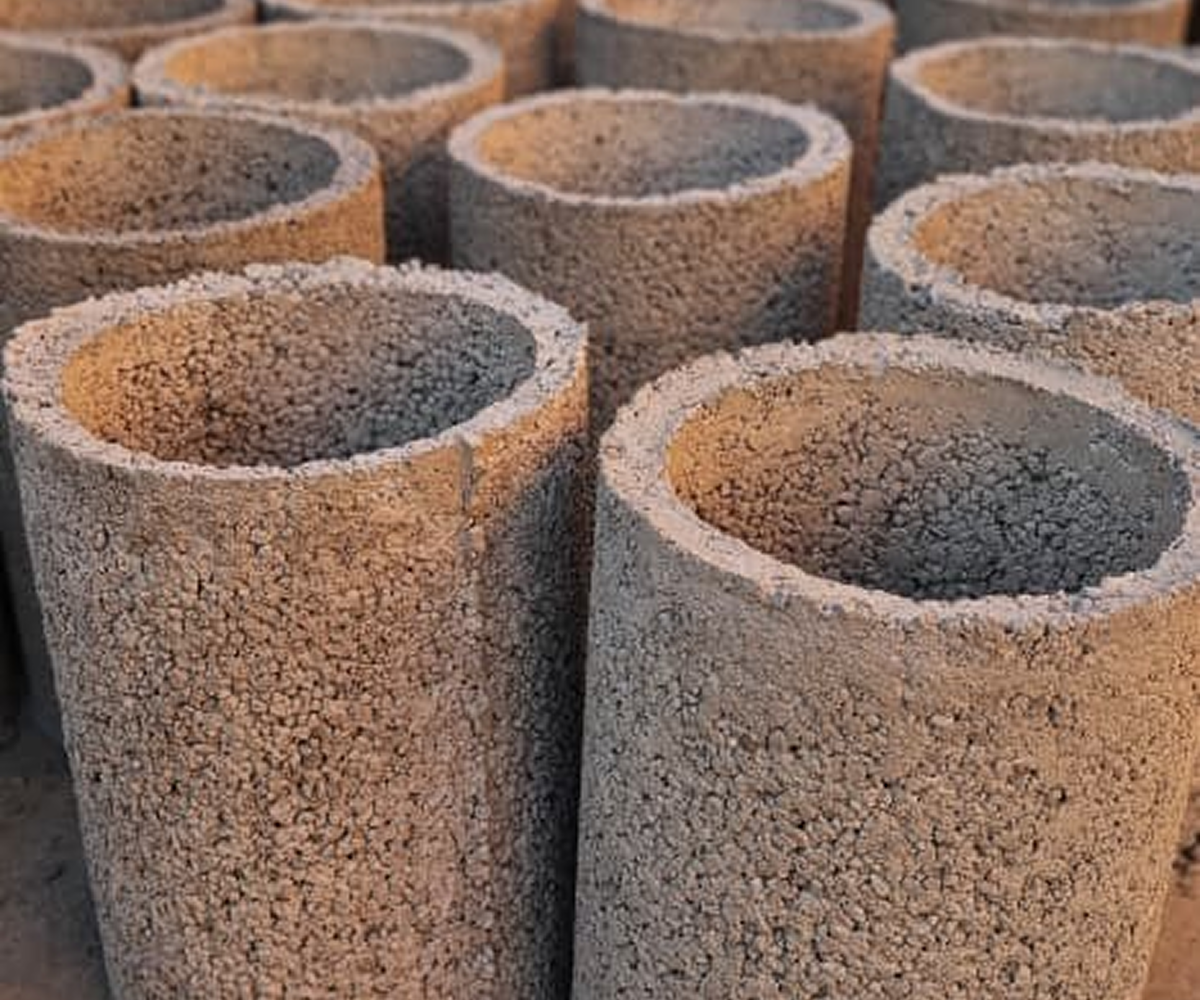
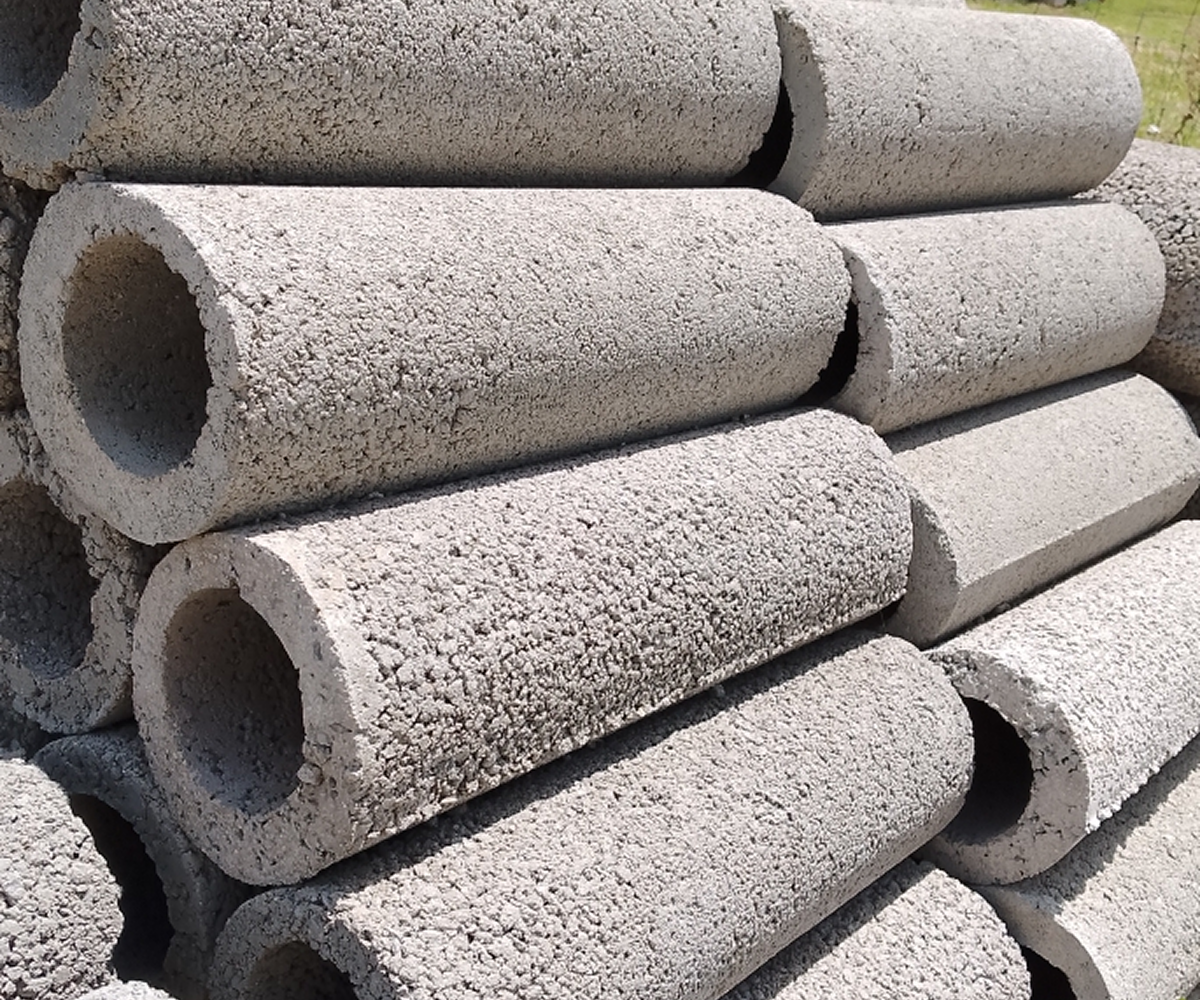
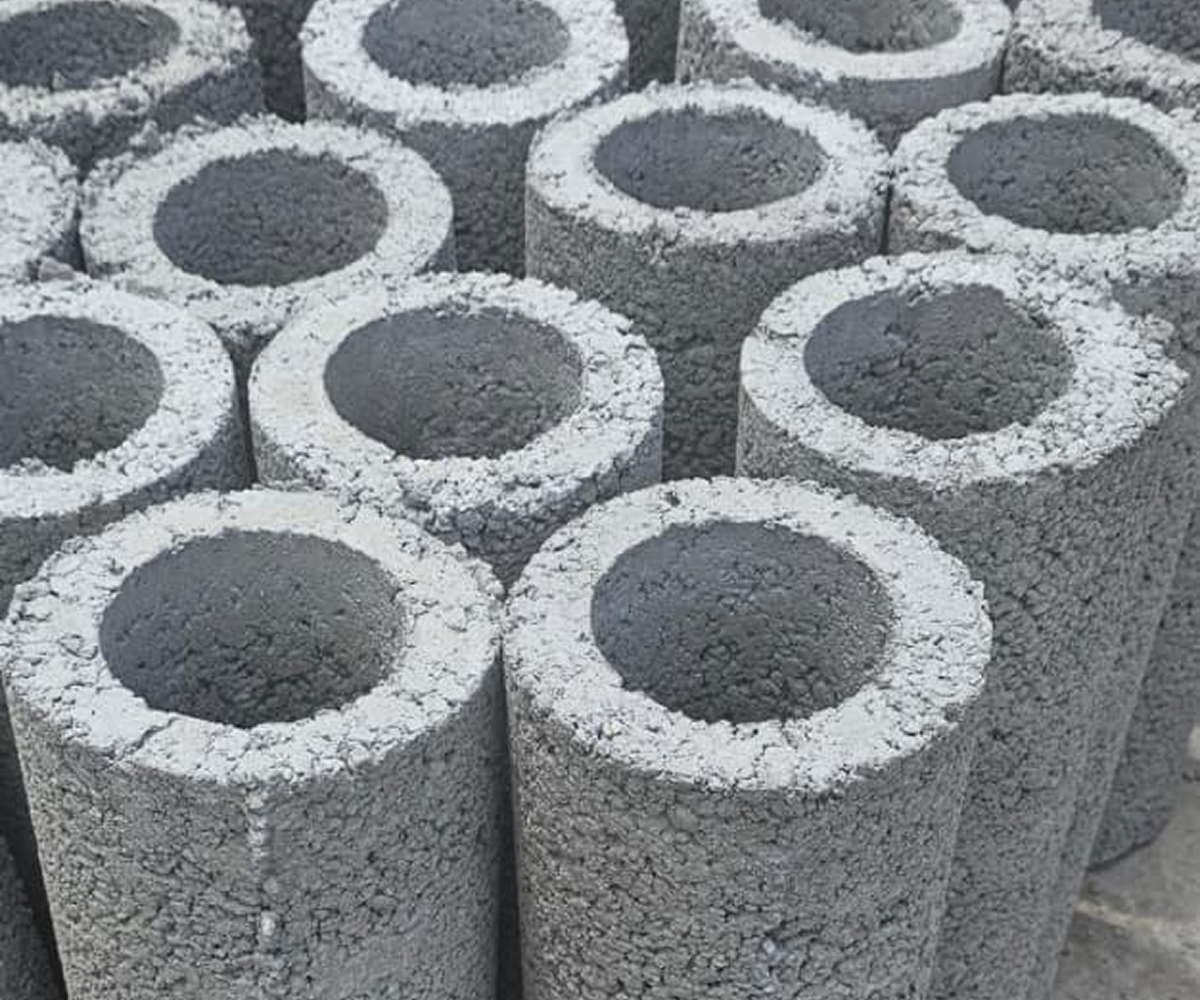
Porous pipes are perforated or permeable precast concrete pipes designed to allow water to seep in or out through small openings. Unlike solid pipes that simply convey water, porous pipes actively interact with surrounding soil to collect or distribute groundwater.
Water in waterlogged soil seeps through the perforations into the pipe, where it is carried away to an outlet. Alternatively, they can distribute water evenly into surrounding soil for irrigation or effluent disposal.
At Majorcon Precast, our porous pipes are engineered for effective water management, helping prevent waterlogging and protect structures from underground water pressure. Build with confidence. Build with Majorcon Precast.
Primary Uses
- Removing excess groundwater from low-lying areas.
- Improving crop yields by preventing waterlogging in fields.
- Maintaining playable surfaces by controlling soil moisture.
- Protecting building foundations from underground water pressure.
- Relieving hydrostatic pressure behind walls.
- Core component of trench drainage systems.
Porous Pipes
Specification Sheet
Specifications
| Property | Specification |
|---|---|
| Material | Porous concrete, grade C20/25 or as specified |
| Concrete Strength | ≥ 20 MPa at 28 days |
| Porosity | Typically 15–25% void content for water infiltration |
| Standards | ASTM C1701 (infiltration rate), SANS 1200 or equivalent local standards |
| Length | Standard length 500 mm |
| End Configuration | Plain ends (spigot & socket optional) |
| Tolerances | ±5 mm on diameter, ±10 mm on length |
Product Variants
Standard length: 500 mm. Diameters as listed.
| Diameter (mm) | Product Code | Wall Thickness (mm) | Approx. Weight (kg) | Typical Application |
|---|---|---|---|---|
| 100 | PP‑100‑500 | 20 | 8 | French drains, residential drainage, garden soakaways |
| 150 | PP‑150‑500 | 25 | 14 | Agricultural drainage, sports field drainage |
| 300 | PP‑300‑500 | 35 | 28 | Stormwater infiltration, highway drainage, detention systems |
Ordering Notes
- Dimensions: Specify internal diameter and length. Custom lengths available (e.g., 1000 mm, 1500 mm).
- Joints: Indicate if tongue‑and‑groove, spigot & socket, or plain ends are required.
- Accessories: Geotextile socks, end caps, and geocomposite wraps can be supplied.
- Testing: Infiltration rate and compressive strength test reports available.
- Colour / Finish: Natural grey concrete; no special finish required.
Why Choose Our Porous Pipes
- Strategically placed openings allow water to enter or exit the pipe along its entire length, providing continuous drainage.
- Effectively removes excess water from soil, preventing damage to crops, lawns, and building foundations.
- Reduces underground water pressure against foundations, retaining walls, and basements.
- Despite perforations, pipes maintain structural integrity for underground installation with proper backfill.
- Suitable for agricultural, residential, commercial, and sports facility drainage projects.
Frequently Asked Questions
Porous pipes are specialized drainage solutions requiring careful specification. Here are answers to the technical questions we receive from agricultural consultants, civil engineers, and landscape contractors.
The terms are often used interchangeably, but technically:
| Feature | Porous Pipes | Field Drain Pipes |
|---|---|---|
| Perforations | Multiple small openings along length | Continuous slots or larger openings |
| Water Entry | Through many small holes | Through slots or gaps between sections |
| Typical Use | General subsoil drainage | Agricultural land drainage |
| Soil Interaction | Filtered through openings | Often wrapped in geotextile |
Our porous pipes feature precision-drilled openings that provide controlled water entry while maintaining structural strength.
Proper installation includes filtration measures:
Granular surround: Wrap the pipe in clean gravel or crushed stone (10-20mm grade)
Geotextile membrane: Encase the gravel in filter fabric to prevent fine soil migration
Proper grading: Ensure correct pipe gradient to maintain self-cleansing flow velocities
Silt traps: Install inspection chambers with sumps at low points for sediment collection
The gravel and geotextile combination allows water to enter while filtering out soil particles that could clog the system.
Diameter selection depends on several factors:
| Application | Typical Diameter | Drainage Capacity |
|---|---|---|
| Garden/Lawn drainage | 100mm | Small areas, light water |
| Sports field drainage | 150mm | Medium areas, moderate flow |
| Agricultural land | 225mm | Large fields, significant flow |
| Foundation drainage | 150-300mm | Building perimeter, high flow |
| Retaining wall drainage | 100-150mm | Wall drainage, localized |
Our technical team can help calculate required diameters based on your specific site conditions, soil type, and anticipated water volumes.
Yes. Transitions between porous and solid pipes are straightforward:
At the start: Solid pipe from water source to porous section
At the outlet: Porous section connects to solid pipe for discharge to ditch, soakaway, or watercourse
Transition fittings: Standard adapters and couplers are available
The porous section should always be installed in the area requiring drainage, with solid pipe used for conveyance to and from the drained area.
Installation depth depends on application:
| Application | Typical Depth | Notes |
|---|---|---|
| Sports fields/Lawns | 300mm – 600mm | Below root zone, above impermeable layer |
| Agricultural drainage | 600mm – 1200mm | Below plough depth, in permeable soil |
| Foundation drainage | At footing depth | Below slab or beside foundation wall |
| French drains | 300mm – 900mm | Below surface, above groundwater |
The pipe should be installed in a permeable granular surround, with minimum 100mm cover over the pipe.
Several connection methods are available:
Pre-formed openings: Chambers with pre-cast holes for pipe entry
On-site cutting: Drill or cut openings in chamber walls
Flexible couplers: Rubber connectors that accommodate movement
Sealed joints: Waterproof sealant around pipe entry points
Connections should allow for differential movement and be watertight where required. For porous pipe applications, the connection area should transition to solid pipe before entering the chamber.
We accommodate projects of all sizes:
Small projects: 10-20 pipes for garden drainage or small foundations
Medium projects: 50-200 pipes for sports fields or housing developments
Large projects: 500+ pipes for agricultural schemes or infrastructure
Contact our Sales Team with your requirements for competitive pricing.